
Are you learning about IT Passport and don't know where to start? Or are you wondering if this certificate is really necessary for you? Rest assured, this article will answer everything from A to Z so you have enough information and confidence to take this exam.
1. What Is IT Passport?
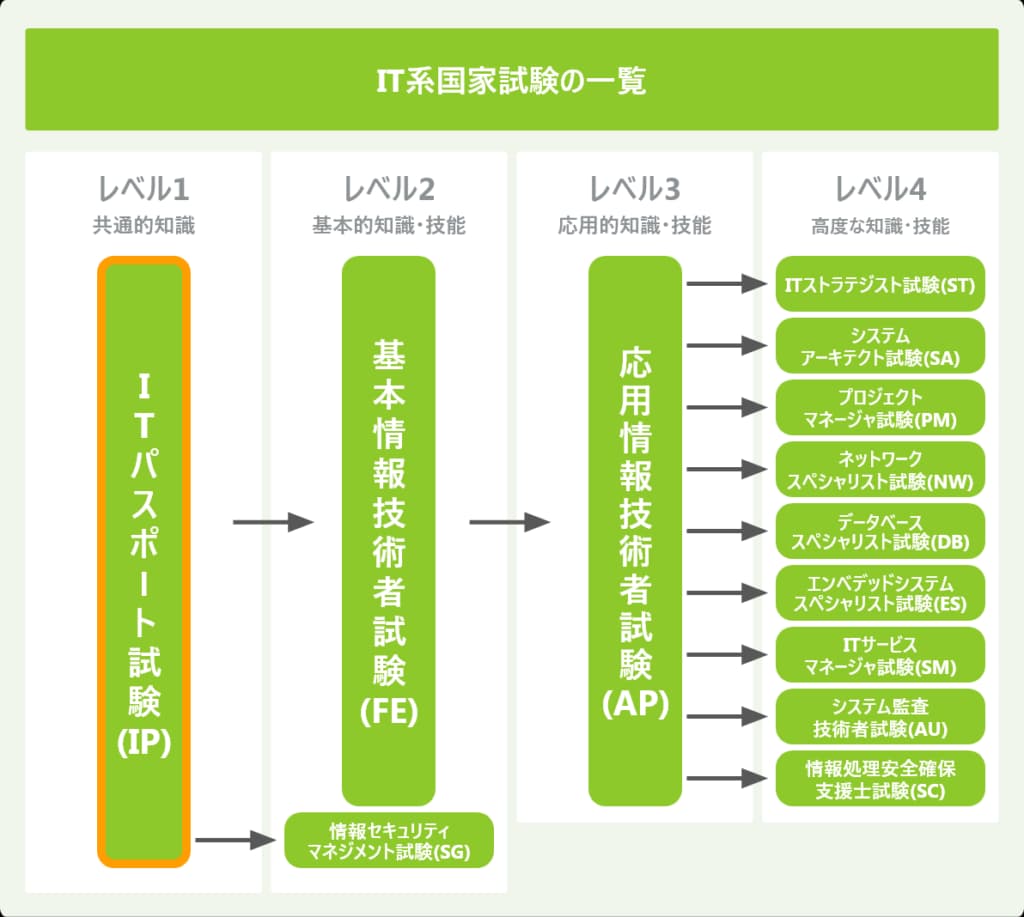
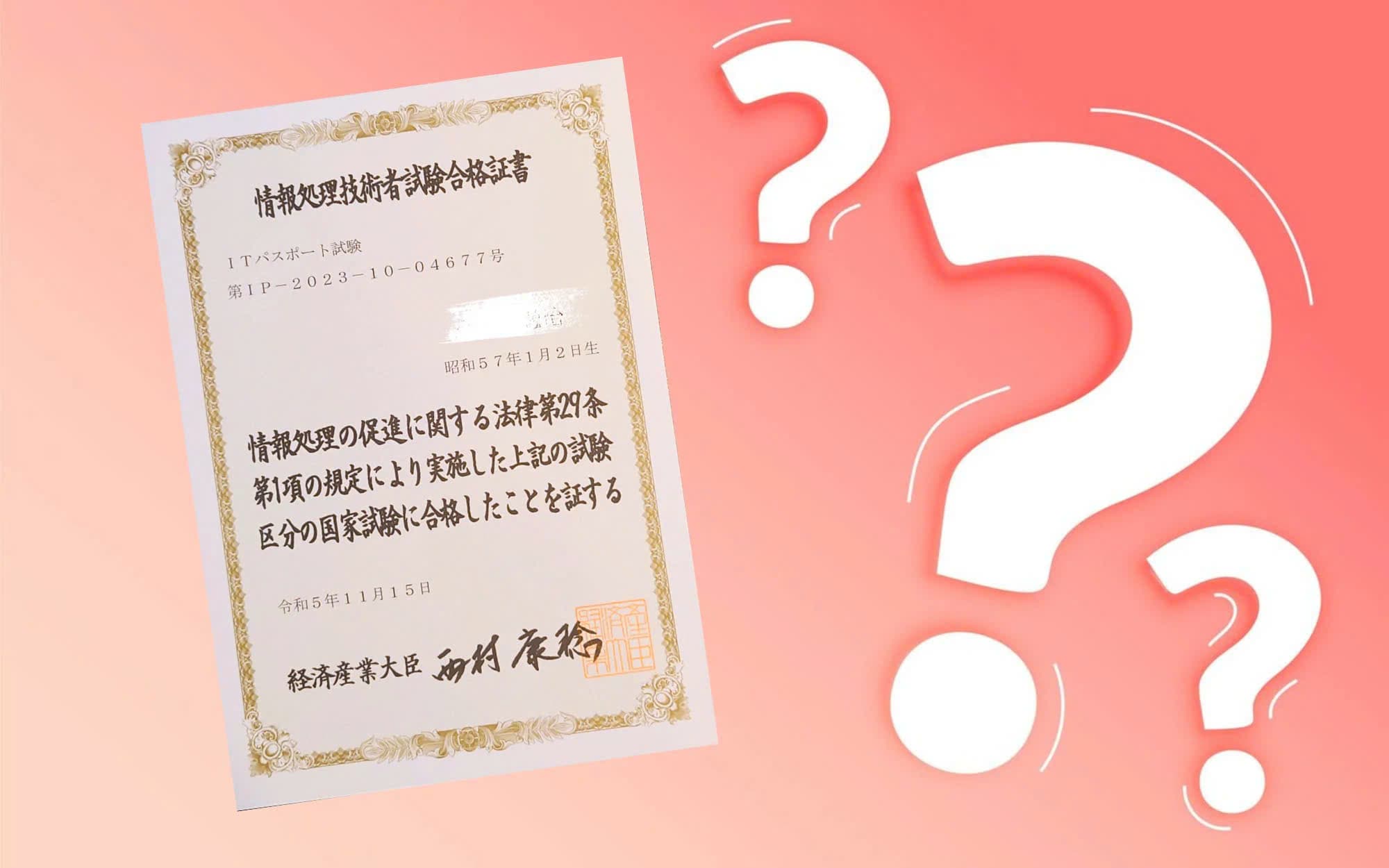
IT Passport(Japanese: ITパスポート, abbreviated as iPass) is a national level 1 certification under the Japanese IT Skill Standard (ITSS), managed and issued by the Japanese Ministry of Economy, Trade and Industry (METI) through the IPA – Information-technology Promotion Agency.
Put simply: this is a "passport" for anyone who wants to step into the information technology field – whether you study economics, foreign languages, or any other major. This certificate proves you have a sufficient IT knowledge foundation to work in a tech environment, especially at Japanese companies.
IT Passport is not a certificate exclusively for IT professionals. On the contrary, this is the ideal exam for those who do not come from an IT background but want to work in a tech environment or with Japanese partners.
2. Who Should Take IT Passport?
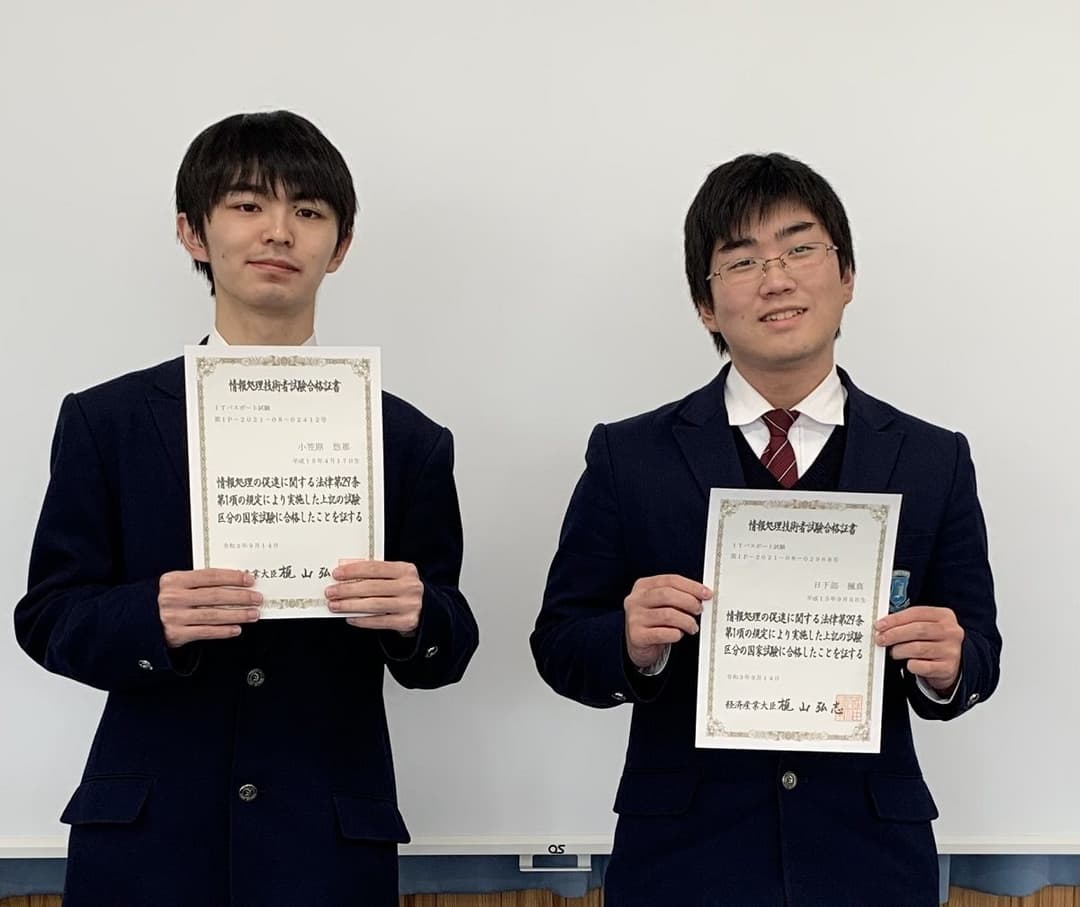
One of the points that makes IT Passport different from most other IT certifications is: there are no restrictions on who can take it. No degree required, no experience required. Anyone who wants to take it, can.
So who is this certificate particularly suitable for? Here are the groups of people for whom IT Passport truly creates the most distinct value:
Sales & Marketing Professionals
Working with tech clients, needing to understand IT products to consult better.
IT Comtors / IT Translators
Needing vocabulary and foundational IT knowledge to translate accurately and professionally.
Back-office & HR
Working in an IT company but not an engineer, wanting to understand the "language" of colleagues.
Career-switching Students
Wanting to switch to IT, needing a certificate to boost the CV and start the journey.
And what if you are an engineer, developer, or tester? IT Passport is still valuable because it supplements knowledge in management, business strategy, and IT law that many engineers often overlook.
3. IT Passport Exam Structure
This is the most asked part. Knowing the exam structure clearly will help you allocate your study time more wisely.
| Section | Content | Questions | Passing Score |
|---|---|---|---|
| Strategy | Corporate governance, law, business strategy | 35 questions | 300/1000 |
| Management | Project management, IT services, software testing | 20 questions | 300/1000 |
| Technology | Hardware, networking, DB, security, algorithms | 45 questions | 300/1000 |
| Total score to pass | ≥ 600/1000 (all 3 sections ≥ 300) | ||
Important note: You must score at least 300 points in all 3 sections. If one section is below 300 points, even if your total score is above 600, you will still fail. Don't neglect the Management section just because it has fewer questions!
How difficult is it?
According to feedback from many test-takers, the IT Passport exam is not technically difficult – the hardest part is usually the amount of Japanese terminology (if taking the test in Japan) and the broad scope of knowledge. For someone with zero IT knowledge, about 80–100 study hours are needed. For someone already working in the IT industry, 20–30 hours are sufficient.
4. Why Should You Get An IT Passport Certificate?
Many people ask: "What is the use of studying for this?" – and here is the most practical answer.
Advantages when applying for jobs & visas in Japan
For those aiming for the Japanese labor market, IT Passport is one of the criteria highly valued by many Japanese companies. Furthermore, when evaluating long-term working visas or permanent residency visas, this certificate is counted in Japan's "Highly Skilled Professional" (高度人材ポイント制度) point system.
Opens up many career opportunities
IT Passport holders can easily access many different positions in the IT industry:
- Bridge SE – the bridge between the Vietnamese team and Japanese clients
- IT Comtor – Japanese-Vietnamese IT specialized translator/interpreter
- Business Analyst, Consultant – analyzing client requirements
- Sales Engineering – selling tech solutions
- Tester, QA – software testing
Stepping stone to higher certifications: After IT Passport, you can continue to conquer FE (Fundamental IT Engineer), then up to AP (Applied IT Engineer), PM (Project Manager)... The knowledge builds upon itself, no study effort is wasted.
5. How To Register For The Exam
Depending on where you want to take the test, the process will differ slightly. Below is the combined information for both cases.
| Criteria | 🇻🇳 In Vietnam | 🇯🇵 In Japan |
|---|---|---|
| Organizing body | VITEC (in coordination with IPA) | IPA – Information-technology Promotion Agency |
| Exam schedule | Twice a year (April & October) | 5–6 times/year, monthly |
| Exam format | Paper-based | CBT (Computer-based) |
| Language | Vietnamese (Translation available) | Japanese (Needs ~N3) |
| Location | Hanoi, HCMC, Da Nang, Binh Duong | Across 47 prefectures in Japan |
6. Effective Study Roadmap
Many ask: "How long does it take to study for IT Passport?" The answer depends on your background, but generally, 3 months is a reasonable timeframe for absolute beginners. Here is a suggested roadmap by phase:
Month 1 – Grasp foundational knowledge (Input)
Read standard textbooks like "いちばんやさしいITパスポート" (The Easiest IT Passport). Don't try to memorize everything immediately, just read through to get familiar with the concepts. Completing 10–15 pages a day is fine.
Month 2 – Do many past papers (Output)
Apply an Input:Output ratio of 3:7. Do a lot of past year papers, read the answer explanations carefully even for questions you got right. Note down keywords in Q&A format.
Month 3 – Realistic mock exams
Focus on your weak areas, take simulated mock exams for exactly 120 minutes. Practice your speed: average 72 seconds per question, do easy questions first, leave hard ones for later.
Final Week – Overall review & maintain mentality
Do not learn new knowledge. Just review easily forgotten points, stay healthy and keep a relaxed mind to enter the exam room in the best state.
Careers after completion?
There are quite a few options, but the paths highly rated by the community include:
- Bridge SE – the bridge between the Vietnamese team and Japanese clients
- IT Comtor – Japanese-Vietnamese IT specialized translator/interpreter
- Business Analyst, Consultant – analyzing client requirements
- Sales Engineering – selling tech solutions
- Tester, QA – software testing
7. Frequently Asked Questions (FAQ)
FE (Fundamental IT Engineer)is level 2, harder and geared towards in-depth technical skills, suitable for devs and IT students. Many choose IT Passport as a stepping stone before conquering FE.
Conclusion
IT Passport is not a certificate solely for technical folks – it's a ticket for anyone who wants to step into the IT working environment, especially with Japanese companies. The knowledge is broad but not too difficult, the study roadmap is clear, and the certificate has lifetime validity – this is truly one of the most valuable investments you can make in yourself.
Whether you are a student, office worker, IT Comtor, or looking to switch to the tech industry – the journey to conquer IT Passport is completely within your reach. The key is starting right and sticking to the roadmap.
Wishing you effective studying and soon holding the IT passport in your hands!